 (609) 225-4890 |
  Contact Us
 Sign Up for Email
By Gina Scala
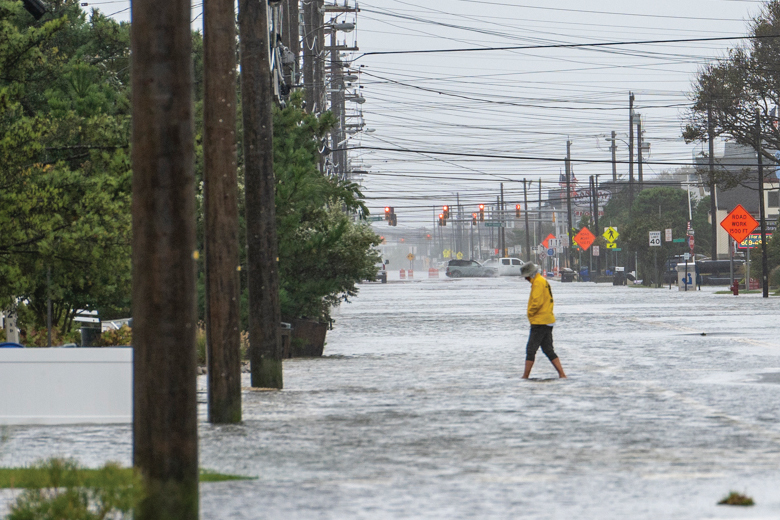
Long before natural disasters left devastation in their wake in western North Carolina in the fall and in California last month, work to update Ocean County’s all-hazards mitigation plan to address earth, wind and fire dangers was already underway.
“The plan is updated every five years so communities in Ocean County can prepare for disasters and also be eligible for certain types of state and federal disaster relief funds following a disaster,” said Sheriff Michael G. Mastronardy, also emergency management coordinator for the county.
Since the plan was last updated in 2020, the county has declared five presidential disasters, emergency and fire management events, including the pandemic and the impact from the remnants of Hurricane Ida in 2021, according to the county’s draft report, which was prepared by Michael Baker International.
Among the highest risk factors highlighted in the draft plan are flooding, nor’easters, power outages, winter storms, another pandemic and wildfires.
Ocean County’s landscape includes 33 municipalities over nearly 629 square miles of land and 45 miles of Atlantic coastline. In nine of the county’s barrier island communities, including Barnegat Light, Beach Haven, Harvey Cedars, Long Beach Township, Ship Bottom and Surf City, more than 99% of land is developed within each community’s 1% flood plain, making them vulnerable to sea-level rise, flooding from storms and even sunny-day flood events.

“Hazard mitigation planning has the potential to produce long-term and recurring benefits by breaking the cycle of loss. A core assumption of mitigation is that current dollars invested in mitigation practices will significantly reduce the demand for future dollars by lessening the amount needed for recovery, repair, and reconstruction,” according to the draft plan. “These mitigation practices will also enable residents, businesses, and industries to re-establish themselves in the wake of a disaster, getting the economy back on track sooner and with less interruption.”
The purpose of the mitigation plan is to provide a blueprint for saving lives and reducing property damage; qualifying the county for pre-disaster and post-disaster grant funding; complying with state and federal requirements related to hazard mitigation planning; demonstrating a firm commitment to hazard mitigation principles; and improving community resiliency following a disaster.
Between May and August 2024, officials in all 33 municipalities met with Michael Baker representatives to discuss the all-hazards plan. Among the documents reviewed were prior capability assessment surveys; a list of critical facilities; mitigation strategy as well as master plan, floodplain development ordinance, and emergency operations plan for review and inclusion in this plan update.
In order for an all-hazards issue to be eligible for Federal Emergency Management Agency funding, it must be included in the plan and the plan must be adopted by resolution by town officials, said Brittany Dremluck, consultant project manager for Michael Baker. Dremluck was the lead speaker for the final public information workshop last month.
Discussion items included significant hazard events since the last plan update; recent and future changes in development, including whether the changes are in what is considered a high-hazard area; the status of repetitive loss/severe repetitive loss properties; and ranking hazards.
The plan, though, was also developed with the help of county residents in developing “a pre-disaster, multi-hazard mitigation plan that will not only guide the County towards greater disaster resistance but will also respect the character and needs of the community,” officials said in a statement prior to the final public workshop on the draft plan last month.
Comments and suggestions stemming from the hybrid workshop are expected to be incorporated into the final plan. Among the questions and comments raised during the nearly hourlong session was para-transit accommodations for those in need during an all-hazard event.
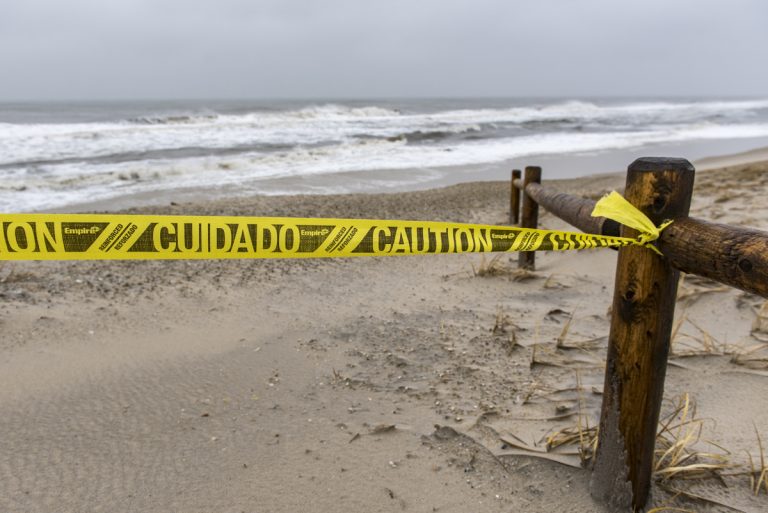
The plan was developed to meet FEMA and the New Jersey Office of Emergency Management requirements, making the county eligible for funding and technical assistance from the state and federal mitigation programs.
In the meantime, survivors of Hurricane Ida in New Jersey have until Feb. 26 to apply for a yearlong break from mortgage payments. The mortgage forbearance was signed into law in October 2024 and established temporary foreclosure protection and mortgage relief for homeowners impacted by the 2021 hurricane. The N.J. Department of Community Affairs opened its application portal last month.
“To qualify, a homeowner must be storm-impacted, have a mortgage on their primary residence, and because of damage from Hurricane Ida, are participating in or have applied for the Homeowner Assistance and Recovery Program (HARP), Mitigation Assistance Program (MAP), or Blue Acres. Homeowners who were denied participation in HARP because their property was located in a government excluded flood area may also be eligible,” the New Jersey Organizing Project said earlier this week.